
Follow Us:

Home Equity & HELOCs in Canada
Owning a home can build more than a place to live. Over time, it can also build equity. Home equity is the difference between the value of your home and the amount you still owe against it.
For some homeowners, that equity can become a useful financial tool. It may help fund renovations, consolidate higher-interest debt, finance a major expense, purchase another property or provide financial flexibility. But home equity is not free money. Borrowing against your home converts equity into debt secured by the property. The question should therefore be more than:
How much equity can I access?
A better question is:
What am I using the money for, and will doing so improve my financial position?
What Is Home Equity?
Suppose your home is worth $800,000 and you owe $400,000 on your mortgage.
Your approximate home equity would be:
$800,000 home value – $400,000 mortgage = $400,000 of equity
That does not necessarily mean you can borrow the entire $400,000.
Lenders apply loan-to-value limits, qualification requirements and their own underwriting guidelines.
Your available borrowing can depend on:
- the value of your home
- your existing mortgage balance
- income
- credit
- existing debts
- the type of financing
- lender requirements

What Is a HELOC?
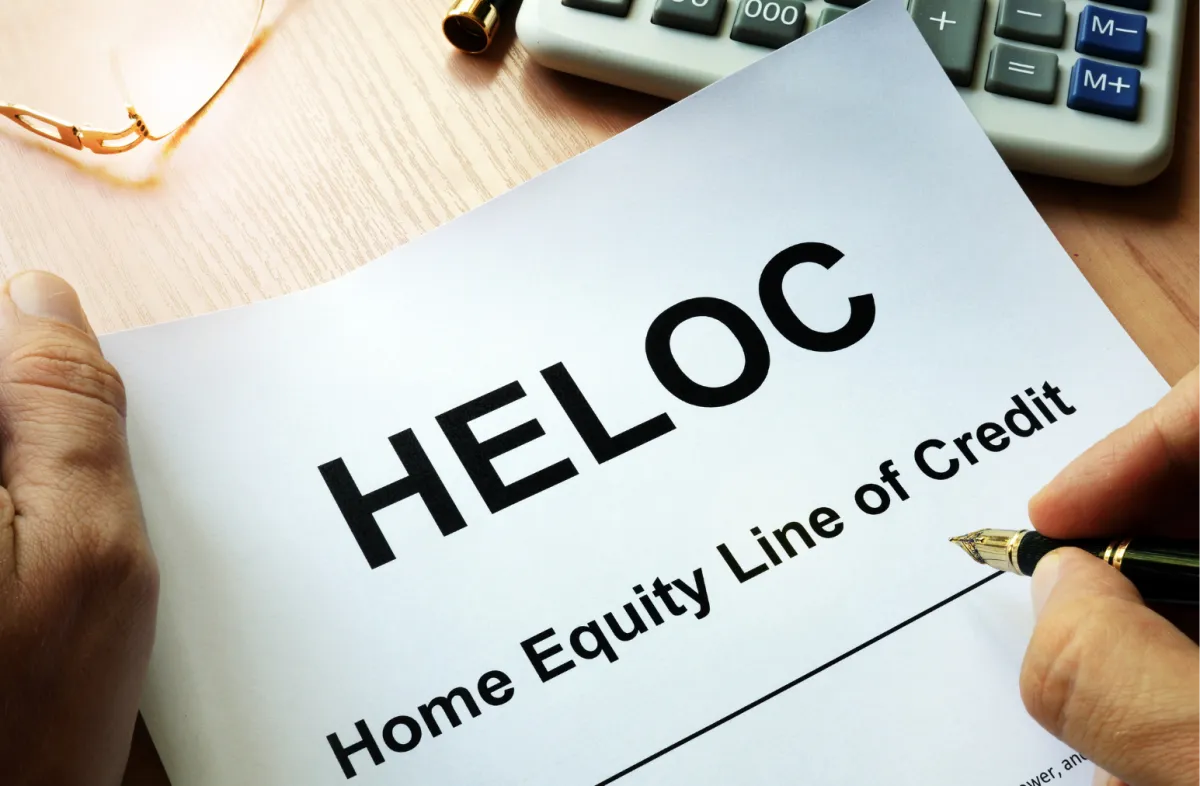
A Home Equity Line of Credit, commonly called a HELOC, is a revolving line of credit secured against your home.
Unlike a traditional mortgage advance, you can generally borrow from the available limit, repay it and borrow again.
Interest is normally charged only on the amount actually borrowed.
Under current Canadian rules, a HELOC may generally provide access to borrowing of up to 65% of the value of the home, subject to the lender's requirements and the amount of other financing secured against the property.
HELOC vs Mortgage Refinance
A HELOC and a mortgage refinance both allow homeowners to potentially access equity, but they work differently.
A HELOC provides revolving access to funds. A refinance changes the mortgage financing and may provide a lump sum of additional money. A HELOC may be useful when money is required over time, such as for a renovation occurring in stages.
A refinance may be more appropriate when a known amount is needed and the borrower wants structured repayment.
The best option depends on the purpose of the money and how quickly you intend to repay it.
Common Uses of Home Equity
Homeowners may consider equity financing for:
Home equity can help fund significant improvements or repairs.
Higher-interest consumer debts may potentially be consolidated into lower-cost secured financing.
Some homeowners use available equity toward the down payment on another property.
Equity may provide access to capital for significant planned expenses.
A HELOC may provide available credit for future needs, although having access to credit does not mean it should automatically be used.

What Are the Risks?
The biggest difference between a HELOC and an unsecured line of credit is that your home secures the debt.
That makes responsible borrowing particularly important. A HELOC can also make it easy to maintain debt indefinitely if payments are primarily covering interest.
Before borrowing, determine:
- Why am I borrowing?
- How much do I actually need?
- What will the interest cost?
- What is my repayment plan?
- What happens if rates increase?
- Am I creating an asset or simply financing consumption?

Don't Borrow Just Because the Equity Exists
A home increasing in value can create substantial equity.
But increased equity doesn't automatically increase household income. Every dollar borrowed still needs to be repaid.
At Haystax Mortgage, we believe home equity should be considered as part of a broader financial strategy rather than simply as available spending money.
Thinking about accessing the equity in your home? Talk with a Haystax Mortgage professional about the options, costs and trade-offs before deciding how to structure the borrowing. Find a Haystax Mortgage location here.
Why Work With Haystax Mortgage?
More than one lender. More than one option.
A bank can generally offer you its own mortgage products. A mortgage brokerage can explore options from a broader range of lenders.
But access to lenders is only part of the value.
A Haystax Mortgage professional can help you understand:
how different mortgage structures compare
which lender requirements may fit your situation
the trade-offs between rate and flexibility
penalties and prepayment privileges
how your mortgage fits your longer-term financial plans
You're at HOME with Haystax!
Frequently Asked Questions
How much home equity can I borrow in Canada?
The amount depends on your home's value, existing mortgage balance, income, credit and the financing product being used. A HELOC itself may generally provide borrowing of up to 65% of the home's value, subject to lender requirements and other debt secured against the property.
What is the difference between a HELOC and refinancing?
A HELOC is revolving credit that allows you to borrow, repay and potentially borrow again up to an approved limit. Refinancing replaces or restructures your mortgage and may provide a lump sum of additional funds. The best option depends on how much money you need and how you intend to repay it.
Can I use home equity to renovate my house?
Yes. Eligible homeowners may be able to use a HELOC or mortgage refinance to fund renovations. Compare the borrowing cost, repayment structure and effect on your total debt before proceeding.
Can I use a HELOC for a down payment on another property?
Potentially. Some homeowners access equity from an existing home to help fund another property. The resulting HELOC or mortgage payment becomes part of your overall debt obligations and can affect qualification for the new mortgage.
Is a HELOC a good idea?
A HELOC can be useful when there is a clear purpose and repayment plan. It can be risky when revolving credit becomes permanent debt or is repeatedly used to fund ongoing spending.
Ready to Talk About Your Mortgage?
No pressure, just clear answers, honest guidance, and a real person ready to help.
We look forward to connecting.
Send us a message

Follow Us
Follow Us
Mortgage Resources
Join Haystax
Ownership & Career Resources
Company
© Copyright 2026. Haystax Financial. All rights reserved.