
Follow Us:

Free Mortgage & Homeownership Guides
Explore free guides designed to help Canadians make more informed decisions about mortgages, home buying, credit, debt, home equity and real estate investing. Choose the report that interests you and we’ll send it directly to your inbox.
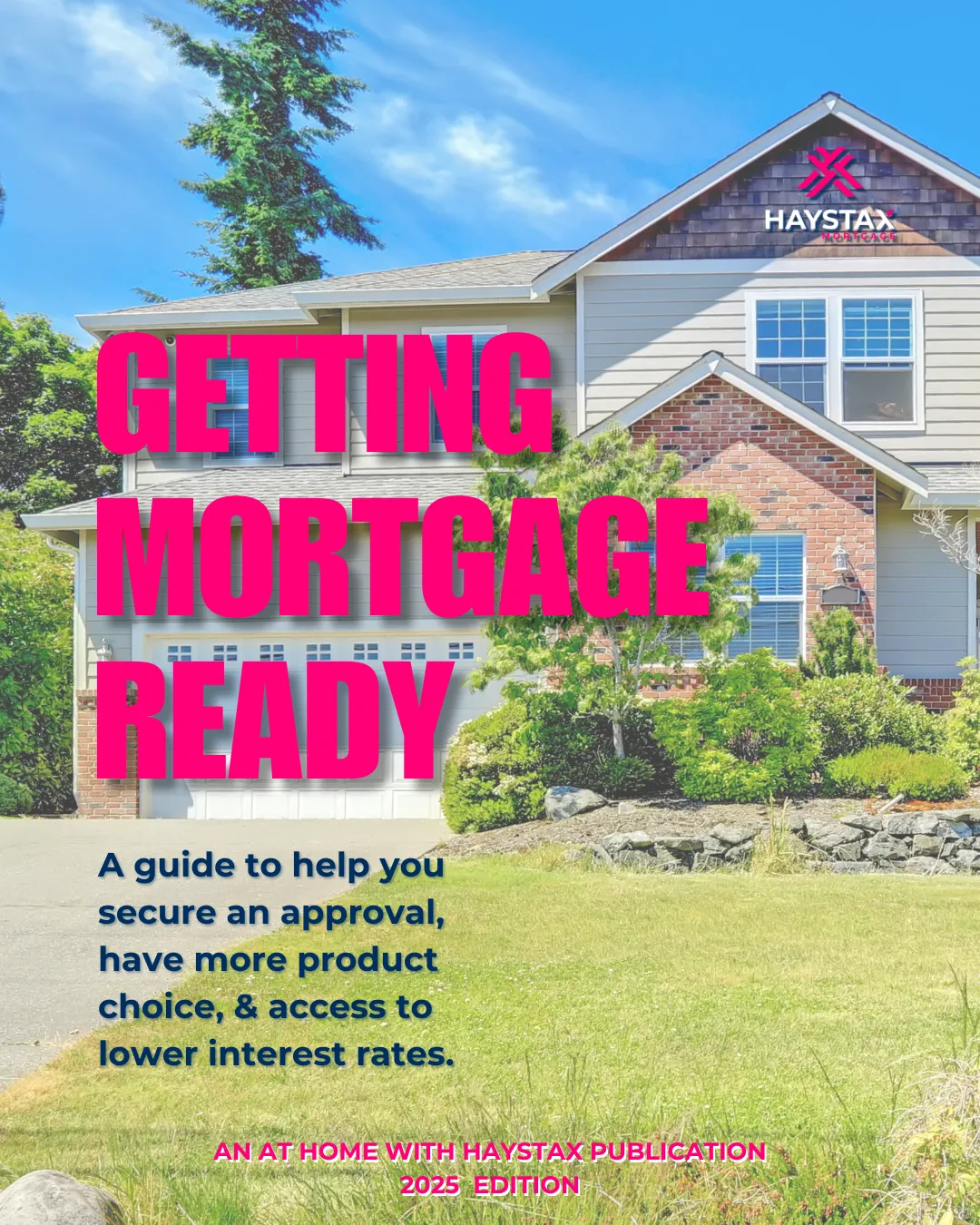
Getting Mortgage Ready
Prepare before you apply. Learn how income, debt, credit, documentation and down payment can affect your mortgage options and what you can do to strengthen your application.

Ultimate Home Buyer's Success Kit
A practical guide to the home-buying process, including budgeting, mortgage preparation, offers, financing, closing costs and the steps from planning to possession.
Ultimate Home Seller's Guide
Selling a home involves more than choosing a listing price. Learn how preparation, timing, presentation and planning for your next move can help make the process smoother.
10 Closing Costs to be Aware of When Buying a Home
Your purchase price is only part of the cost of buying a home. Learn about legal fees, taxes, adjustments, insurance and other expenses that may be due before or at closing.

9 Secrets to Making Your Home Renovation Pay For Itself!
Renovations can improve how you live in your home and may increase its value. Learn how to plan projects, control costs and think strategically about using home equity.

7 Steps to Stop Paying Rent and Own Your Own Home
Thinking about buying your first home? Learn how to prepare your finances, build a down payment, understand affordability and take the first steps toward homeownership.

Are You Tired of Being in Debt?
High-interest debt can put pressure on monthly cash flow. Learn how homeowners may be able to restructure debt using mortgage financing and what to consider before consolidating.

12 Simple No-Cost Ways to Repair Your Credit
Your credit history can affect mortgage qualification, lender options and pricing. Learn practical steps that may help strengthen your credit before applying for a mortgage.

8 Real-Estate Investor Mistakes That Can Kill Your Profits
Rental property financing requires more than finding the right property. Learn about down payments, rental income, qualification, cash flow and common financing mistakes investors should avoid.

7 Facts You Need to Know About Reverse Mortgages
Reverse mortgages can allow eligible homeowners to access home equity without selling, but they involve important costs and long-term considerations. Learn what to understand before deciding whether one may fit your plans.
Why Work With Haystax Mortgage?
More than one lender. More than one option.
A bank can generally offer you its own mortgage products. A mortgage brokerage can explore options from a broader range of lenders.
But access to lenders is only part of the value.
A Haystax Mortgage professional can help you understand:
how different mortgage structures compare
which lender requirements may fit your situation
the trade-offs between rate and flexibility
penalties and prepayment privileges
how your mortgage fits your longer-term financial plans
You're at HOME with Haystax!
Frequently Asked Questions
What is the first step when getting a mortgage?
The first step is understanding your current financial position. That usually means reviewing your income, debts, credit, down payment and approximate monthly budget before you start looking at properties.
A mortgage pre-approval can help establish a realistic price range and identify any issues that should be addressed before you make an offer.
How much mortgage can I afford?
The amount you may qualify for depends on your income, debts, down payment, credit, mortgage rate and expected housing costs.
But the maximum mortgage a lender will approve is not necessarily the amount you should borrow. Your mortgage payment should leave room for savings, emergencies and the rest of your financial life.
How much down payment do I need to buy a home?
The minimum down payment depends on the purchase price and type of mortgage. In many cases, buyers can purchase with less than 20% down, although mortgage default insurance may then be required.
You should also keep money available for closing costs rather than using every available dollar for the down payment.
Should I get pre-approved before looking for a home?
Yes. A mortgage pre-approval can help you understand your approximate buying range before you start making offers.
It can also uncover credit, income or documentation issues early, when there is still time to address them.
A pre-approval is not final mortgage approval, because the property and your financial circumstances still need to satisfy the lender's requirements.
Should I choose a fixed or variable mortgage?
Neither option is automatically better.
A fixed-rate mortgage generally provides greater interest-rate certainty, while a variable-rate mortgage exposes you to changes in the lender's prime rate.
The right choice depends on your budget, tolerance for changing rates, future plans and the features of the specific mortgage.
When should I start thinking about my mortgage renewal?
Ideally, several months before your mortgage reaches maturity.
Starting early gives you time to compare your current lender's offer with other options and decide whether you want to renew, switch lenders or refinance.
Waiting until the final few days can limit your choices.
Can I use the equity in my home?
Potentially. Homeowners with sufficient equity may be able to access it through refinancing or a home equity line of credit.
Home equity can be used for purposes such as renovations, debt consolidation, another property or major planned expenses.
Because the borrowing is secured against your home, the purpose and repayment plan matter.
Can I use my mortgage to consolidate debt?
Potentially. If you have enough available home equity and qualify for additional financing, higher-interest debts such as credit cards or unsecured loans may sometimes be consolidated through mortgage financing.
The goal should be to improve your overall financial position, not simply reduce the monthly payment while extending the debt over many more years.
Why use a mortgage broker instead of going directly to a bank?
A bank generally offers its own mortgage products.
A mortgage brokerage can explore options from a broader range of lenders, which may include banks, credit unions, monoline lenders and other mortgage providers.
The value is not simply finding a rate. A mortgage professional can also help compare lender requirements, penalties, flexibility and mortgage structures based on your situation.
Ready to Talk About Your Mortgage?
No pressure, just clear answers, honest guidance, and a real person ready to help.
We look forward to connecting.
Send us a message

Follow Us
Follow Us
Mortgage Resources
Join Haystax
Ownership & Career Resources
Company
© Copyright 2026. Haystax Financial. All rights reserved.